

Wheat and Milk...
Shavuot through a culinary lens...

Shavuot is often framed through the customary eating of dairy foods, yet at its core it is a festival of the land, celebrating the agricultural year and grains, not cheesecake.
This holiday marks the biblical grain harvest and the shift from barley to wheat, a transition embedded throughout biblical texts and ancient agricultural law. This shift reflects the agronomic cycle that shaped the Israelite foodways and underpins the Jewish calendar itself, from Passover to Shavuot, known as ‘the Festival of Weeks”.
There are no biblical texts associating Shavuot with cheesecake, blintzes, bourekas, or malabi. Instead, the foods linked to this festival in ancient times, were freshly baked wheat loaves, roasted or parched young green wheat, early‑season barley, and the first fruits of the landscape, figs, olives, dates, pomegranates, and grapes.
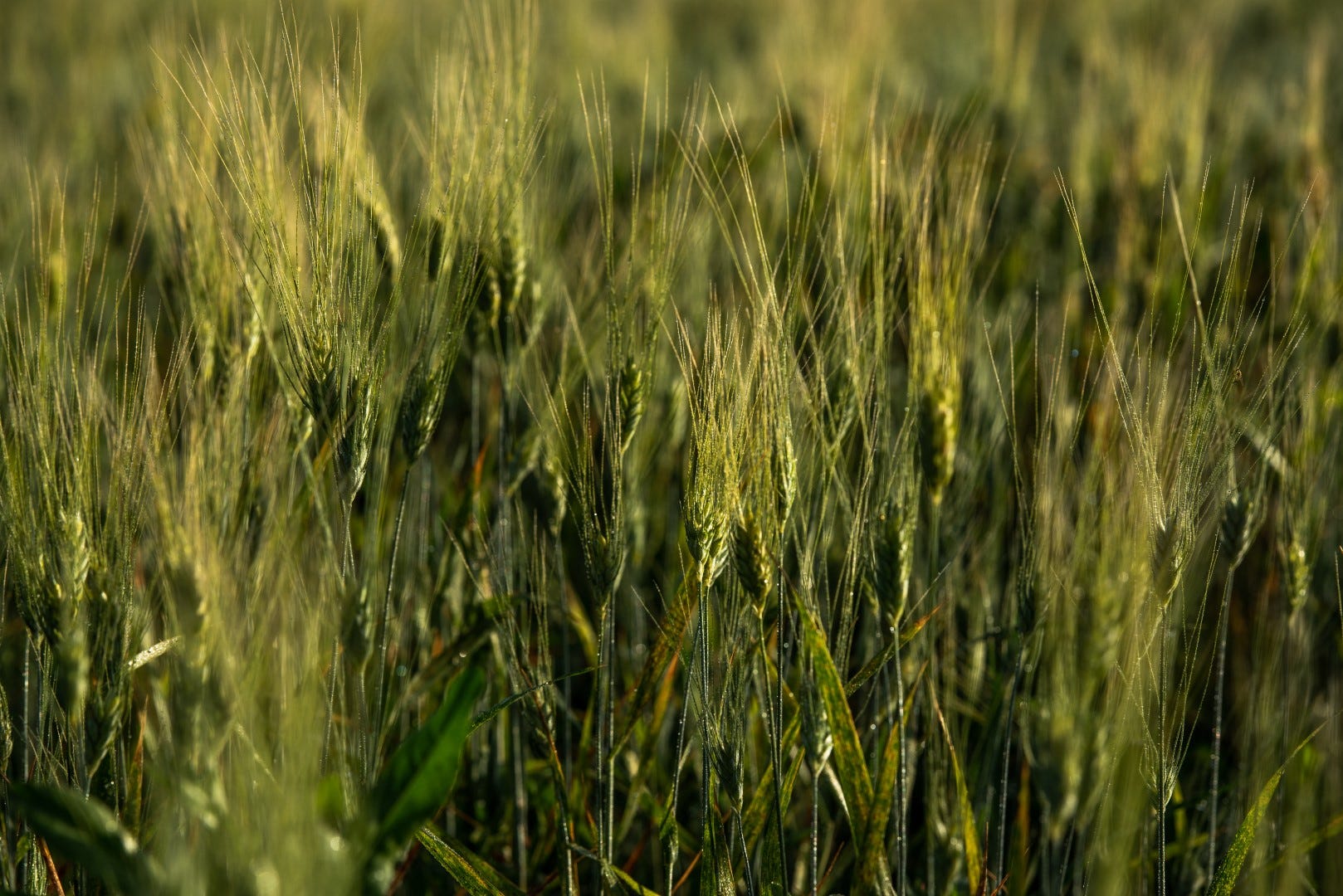
The Book of Ruth, read on Shavuot unfolds right in the heart of the barley and wheat harvests, where gleaning was not symbolic but a functioning food system that ensured the landless, widows, and strangers could gather enough leftover grain to survive. Ruth’s story is grounded in this lived agrarian reality, where compassion, law, and agriculture intertwined to sustain the vulnerable and shape early foodways. Her journey is one of resilience and daily necessity, grounded in the labour of ancient kitchens and fields, where grains lay at the centre of survival. It is a story shaped by the journey from land to plate, from the gathering in the field to the grinding by hand, held together by the knowledge that each handful of grain meant another day of bread.
Through my narrative explained in Freekeh, Wild Wheat & Ancient Grains, freekeh is not an ancient grain but the ancient process. Durum wheat is harvested while still young and green, fire‑roasted in the field, and rubbed to remove the charred chaff. This early Levantine technique preserved immature grain and produced the smoky, nutrient‑dense food described in biblical sources as ‘parched grain’ or kali, linking the nutty, smoky staple of today’s Middle Eastern diet directly to the roasting and threshing practices found in the Book of Ruth. The name freekeh, derived from the Arabic verb ‘farik’ meaning ‘to rub’, reflects this final stage of rubbing the roasted wheat to remove its blackened husk.
Dairy entered Shavuot not from the Bible but from the evolving culinary culture of later Jewish life. As communities moved across different regions, climates, and cultural settings, new food customs developed around what had originally been a grain‑based harvest festival.
In the medieval period, Jews began incorporating dairy for symbolic reasons drawing on the idea of a land flowing with milk and honey and from rabbinical interpretations that likened the giving of the Torah scrolls at Mount Sinai to the nourishment received from milk. In practice, dairy often appeared as a small first course before the main meal, layering onto existing grain traditions rather than replacing them. Over time, these practical and symbolic customs spread and took root, shaping the familiar dairy‑focused Shavuot table we know today.
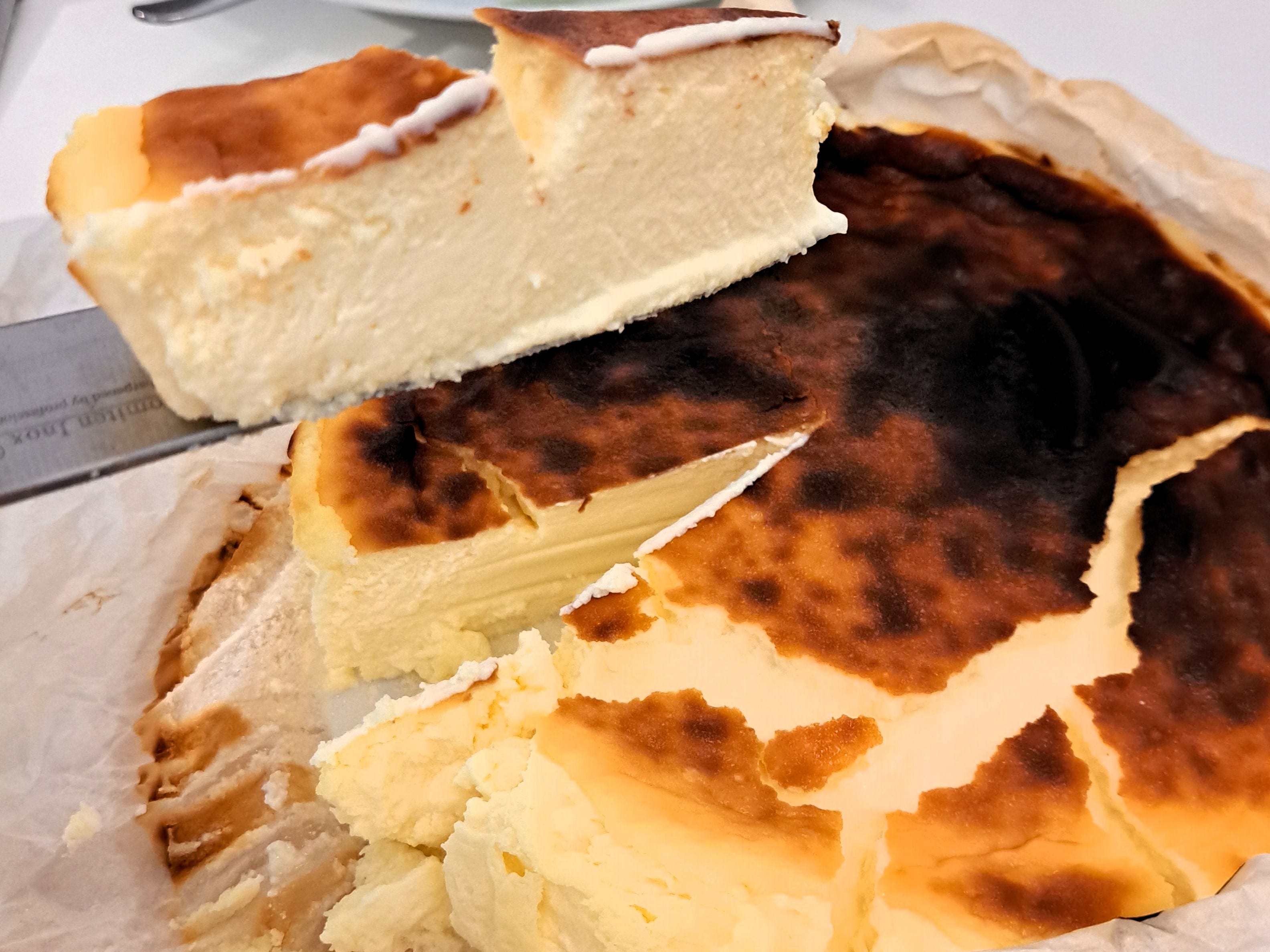
Despite their differences, communities across the diaspora reflect the same underlying cycle of harvest, grain processing, and seasonal eating with the ancient grains at the centre of the Shavuot table, alongside dairy customs that have become central to the modern celebration.
Through a culinary lens, Shavuot is fundamentally about grain, the thread that links our past to the present, connecting the land, culture, and memory across generations and tables. Known as “the Queen of Freekeh” and a devoted cheesecake lover, I naturally embrace both and suggest you do to this Shavuot…
Happy Holidays.