

Nourishing loss
lentils, smoked salmon bagels and mum's fried gefilte fish balls...

Sadly my mother passed away a couple of weeks ago.
In the Jewish tradition, we nourish the body, mind and soul in times of grief and loss, as well as on joyous occasions, offering essential sustenance when most needed. As I recently wrote ‘Nourishing loss’ as the closing chapter of my next book, I couldn’t have imagined how soon it would become a poignant narrative in my own story.
Rooted in biblical symbolism and cultural tradition, foods served to mourners are meant to be simple, sustaining and comforting. Round foods, seamless in their form such as lentils, eggs and bagels are some of the traditional foods eaten after a Jewish funeral and during the seven days of mourning, known as the ‘shiva’. These foods highlight the culinary significance of the cyclical journey of grief and the circle of life; no beginning and no end.
It was in the book of Genesis 25: 29-34, that Jacob prepared a lentil “stew” for his father Isaac whilst mourning the loss of his own father, Abraham. A bowl of warming lentil soup, made from red, green, or brown lentils has come to be known as ‘Mourners’ Soup’ in many Jewish communities. Each bowl is infused with tradition and served with love, offering comfort to the fragility of grief. Mejadra the ancient Levantine staple dish of lentils, cooked with rice or bulghul wheat, onions and warming spices culturally resonates in challenging times in both Jewish and Arab kitchens, with simplicity its defining strength.
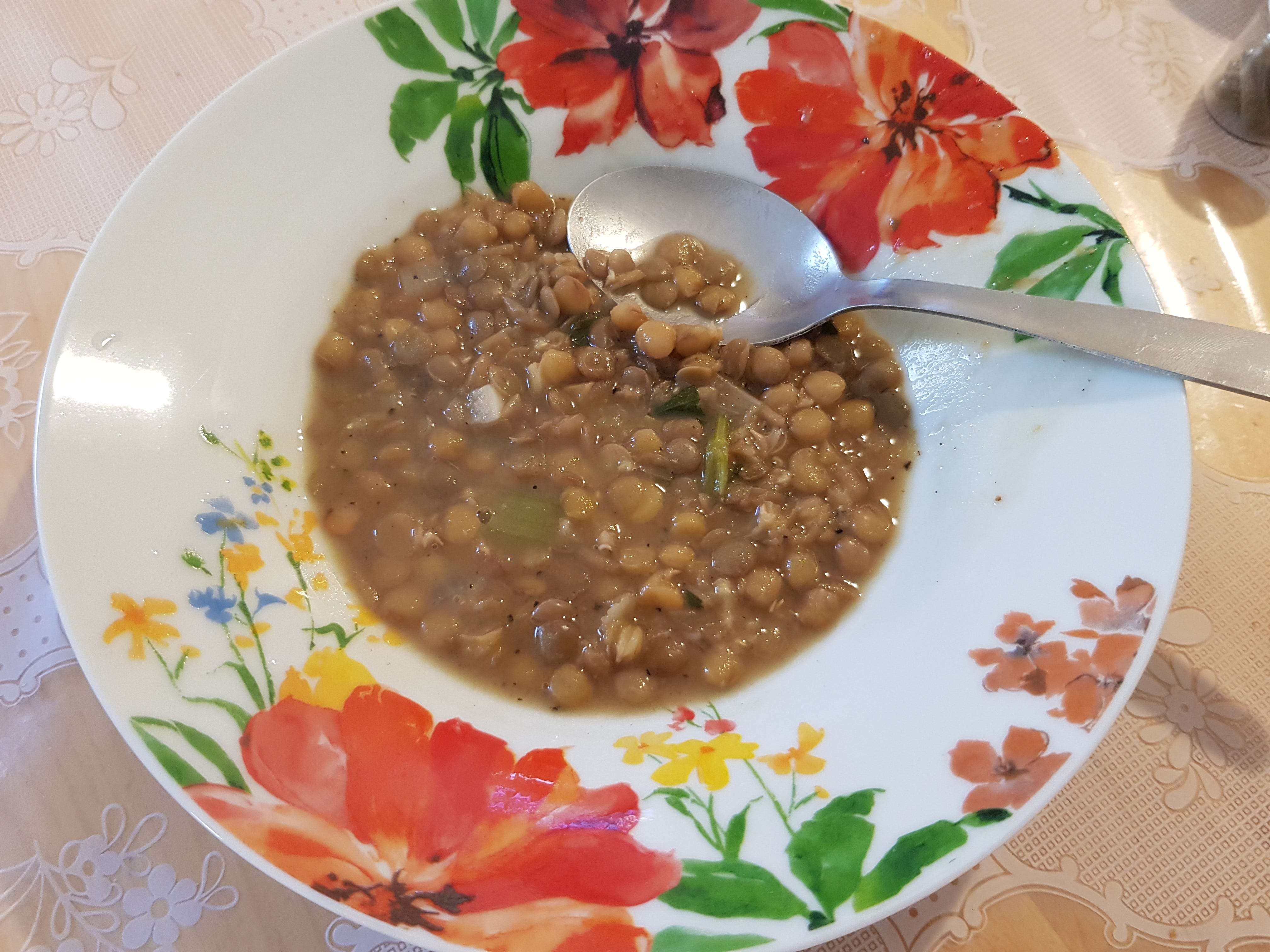
The culture within both religious and secular Israeli communities, is one of communal support, where friends and neighbours provide the first meal after the funeral called the Meal of Condolence’. This is supposed to relieve mourners of the burden of cooking while showing solidarity in their loss. Comforting, nourishing dishes and sweet bakes are prepared and brought to the mourning house throughout the first seven days, a communal space where memories are shared, emotional strength is offered, and gentle healing begins.
In Britain it is more personal with visitors for prayers often from the synagogue or relatives. Food and hospitality is still provided, however it reflects more of a Anglo-Jewish Ashkenazi culture with platters of smoked salmon bagels, hard boiled eggs on challah rolls, cakes, biscuits and plenty of tea. Outside catering is more the norm, replacing the informal, familiar homemade Sephardi bourekas, Yemenite jachnun, grated tomato and zhoug, and the sweet, soothing babka.
After mum’s funeral, back at the house and before the shiva, platters of bagels with smoked salmon and soft mini rolls with egg mayonnaise adorned the table together with chocolate rugelach, and plenty of ‘Jewish’ strudel biscuits, a family favourite of sweet, sugary pastry filled with jam and currants, reminiscent of many afternoon teas at Grandmas. Tea was a plenty, served in mum’s beautiful bone china cups and saucers, and a a glass of wine for those of us needing something just a little bit stronger…

Nourishment serves as a source of strength, not only for those who receive it, but also for those who provide it. It is often considered a shared gesture of compassion and solidarity in times of loss and hardship, reinforcing the memory and traditions of a life that was. Food memories are a powerful tool for navigating grief, strengthening our resilience in suffering through the taste and smell of a comforting kitchen or familiar dish. Through remembering the much‑loved dishes or recipes of those we have lost, food becomes a simple way to care for ourselves and each other, when everything else feels too overwhelming to bear.
Mum will be remembered for many things, and her fried gefilte fish for festive gatherings is certainly among them. As lovingly recalled in her eulogy, these crisp‑coated, golden patties with their soft hake filling are a cherished food memory for us all. The delicate taste and smell of freshly fried fish will live on in our hearts and in the pages of my book, Nourishing the Jewish Soul, to be published next autumn.
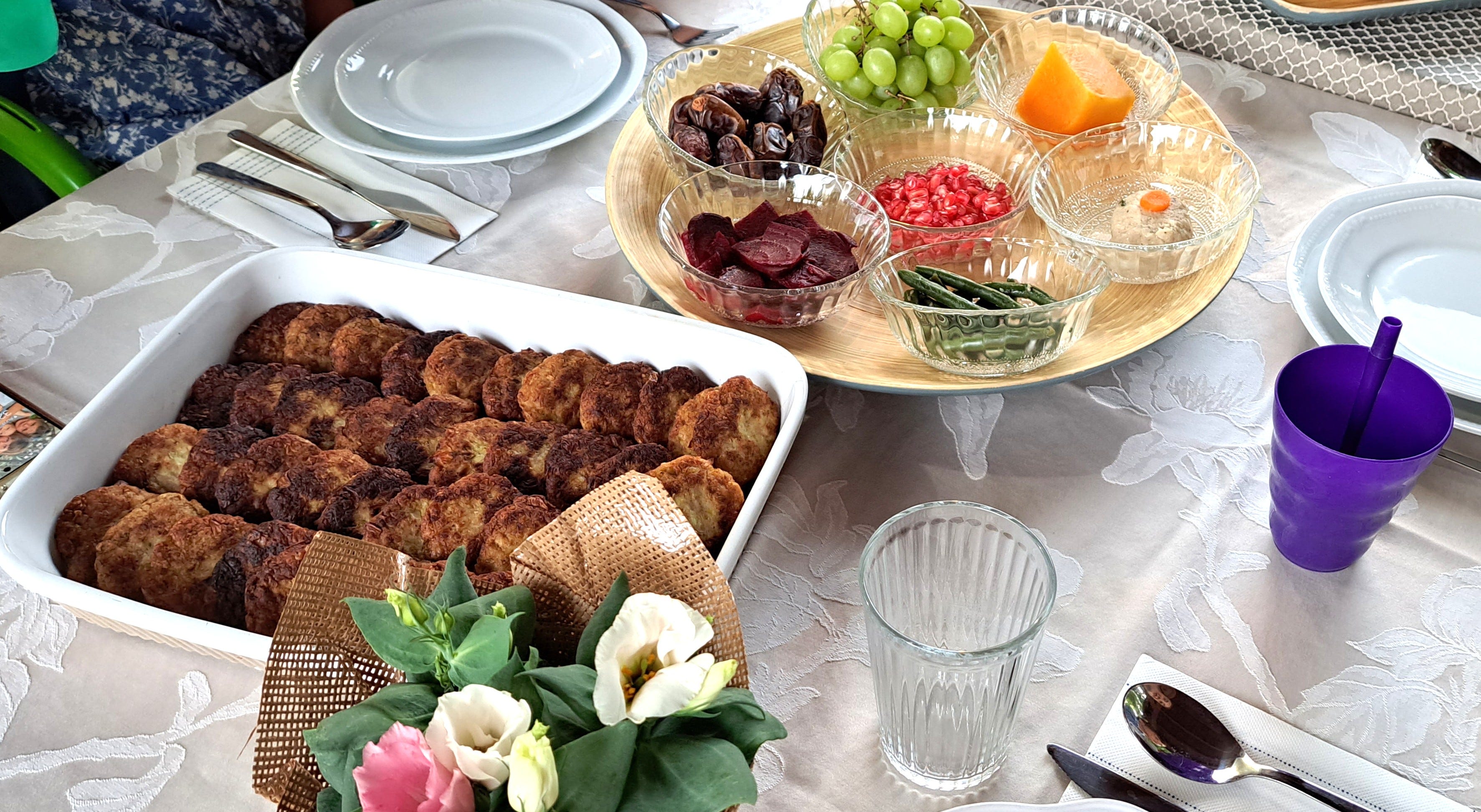
May her memory be a blessing…
This is such a moving tribute. The way bagels and round foods carry symbolic meaning in Jewish mourning traditions shows how deeply food connects us to ritual and memory. I've experienced similr traditions in my own family where certain dishes become almost sacramental during moments of loss, grounding us when everyhing else feels unstable. The Meal of Condolence idea is really profound as a communal gesture of care.
So very sorry to hear about your mother.
What a lovely tribute. And such lovely memories to give you strength in the days ahead.
I wish you long life.
Clarissa